0207 608 5500





Search ideas, news and case studies
Blog Categories
Your Making Tax Digital Questions Answered
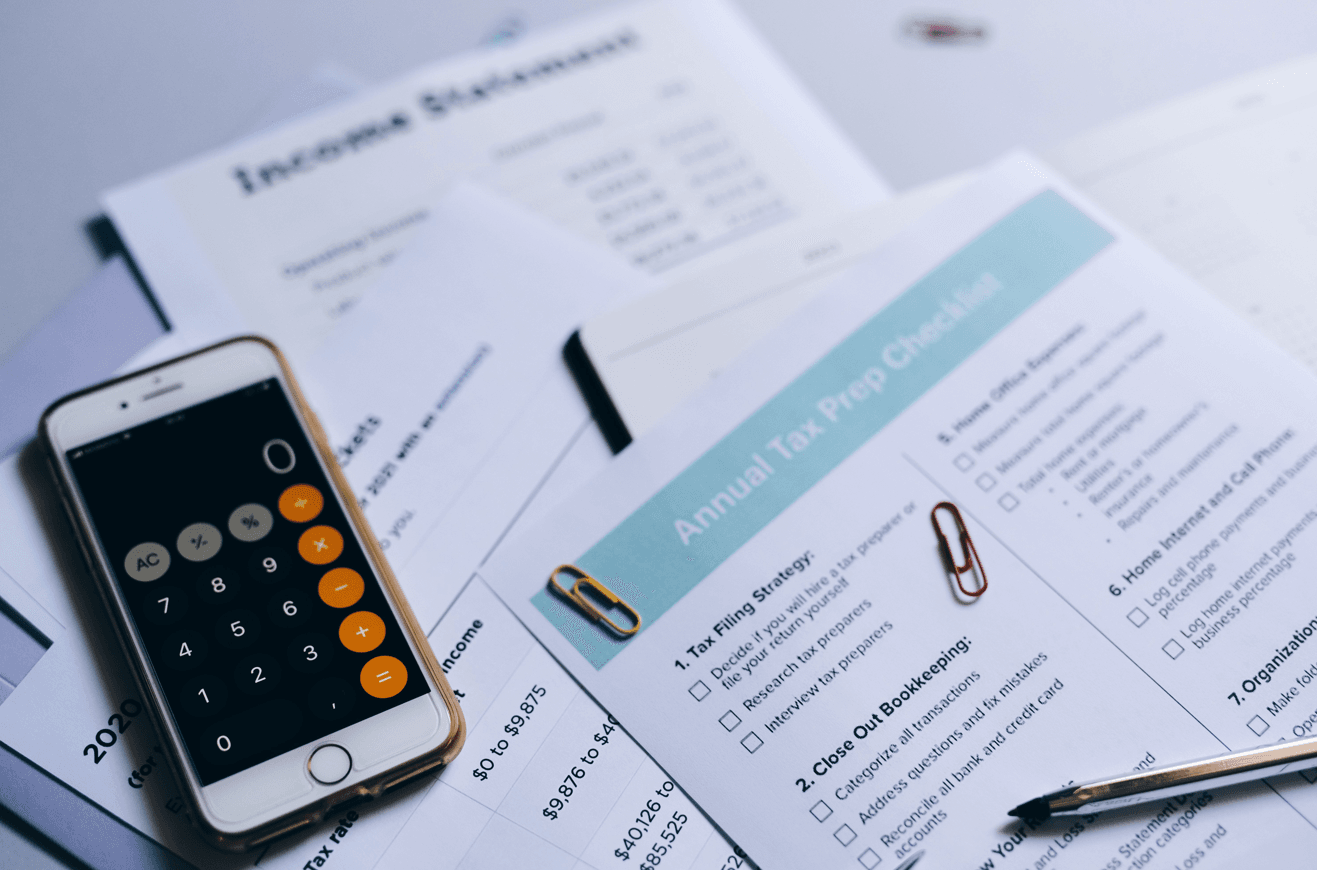
Making Tax Digital is HMRC's move to a fully digital tax system, and it's no longer just on the horizon. It's already mandatory for VAT, and since April 2026 it applies to Income Tax too, for anyone with self-employment or property income over £50,000. Here's what's actually required right now.
Key Takeaways
- Making Tax Digital for VAT has been mandatory for all VAT-registered businesses, regardless of turnover, since April 2022.
- Making Tax Digital for Income Tax became mandatory from April 2026 for anyone with gross self-employment or property income over £50,000.
- That threshold drops to £30,000 from April 2027, and £20,000 from April 2028, bringing more people into scope over time.
- Under MTD for Income Tax, you keep digital records and submit quarterly updates to HMRC, rather than a single annual Self Assessment return.
- Spreadsheets alone don't meet the requirements. You'll need MTD-compatible software, or bridging software connecting a spreadsheet to HMRC's systems.
What Is Making Tax Digital?
Making Tax Digital, or MTD, is HMRC's plan to move tax administration onto a fully digital system, making it easier for individuals and businesses to keep accurate records and stay on top of their tax position throughout the year, rather than scrambling once a deadline arrives.
It's being introduced in stages, starting with VAT and now extending to Income Tax, with the same underlying idea each time: digital record-keeping, and reporting to HMRC through compatible software rather than manual entry or paper forms.
There is also some more unique rules regarding MTD but for sole traders, you can check out what is changing here.
Is Making Tax Digital for VAT Already Mandatory?
Yes, for every VAT-registered business, regardless of turnover, since April 2022. This is no longer a rollout in progress. If you're VAT registered and not already using MTD-compatible software to keep records and file returns, you're not currently compliant.
The current VAT registration threshold is £90,000, though MTD for VAT applies to every VAT-registered business once registered, not just those above that threshold, including anyone who's registered voluntarily.
What's Changed With Making Tax Digital for Income Tax?
This is the genuinely new part. Since 6 April 2026, Making Tax Digital for Income Tax has been mandatory for anyone with gross income from self-employment and property over £50,000 a year. If that's you, the traditional annual Self Assessment return no longer applies to your current tax year.
Instead, you now need to:
- Keep digital records of your income and expenses throughout the year
- Submit quarterly updates to HMRC through compatible software
- Submit a Final Declaration at the end of the tax year, confirming your total position
The £50,000 threshold isn't fixed. It drops to £30,000 from April 2027, and £20,000 from April 2028, which will bring a lot more sole traders and landlords into scope over the next couple of years. If you're currently under the threshold, it's worth keeping an eye on where your income sits as these lower thresholds approach.
Do I Still File a Normal Self Assessment Return?
Only if you're below the relevant threshold for the tax year in question. If you're already required to follow MTD for Income Tax, the quarterly update and Final Declaration process replaces the single annual return for your current tax year, though you may still need to file a traditional return for an earlier tax year that predates when MTD applied to you.
Our guide to filing your first Self Assessment covers the traditional process in full, for anyone who isn't yet within MTD's scope.
What Software Do I Actually Need?
You need software that can connect directly with HMRC's systems to keep digital records and submit updates, whether that's dedicated MTD-compatible accounting software or a spreadsheet paired with bridging software that creates the required digital link.
A spreadsheet on its own doesn't meet the requirements, since MTD needs both digital record-keeping and a digital connection through to HMRC, not just a file you happen to keep your numbers in. If you're still managing things manually, it's worth moving to compliant software sooner rather than later, particularly if you're approaching one of the lower income thresholds coming into effect over the next two years.
What Happens if I Don't Comply?
HMRC operates a points-based penalty system for late submissions under MTD. Missing a deadline adds a point, and once you reach a set threshold, a financial penalty follows, with further penalties for continued non-compliance. It's a different system from the old flat late-filing penalty, designed specifically around the more frequent quarterly reporting cycle MTD introduces.
FAQs
Is Making Tax Digital for VAT mandatory for all businesses?
Yes, since April 2022, for every VAT-registered business regardless of turnover, including those registered voluntarily.
Who does Making Tax Digital for Income Tax apply to right now?
Anyone with gross self-employment or property income over £50,000, mandatory since April 2026. The threshold drops to £30,000 in April 2027 and £20,000 in April 2028.
Do I need special software for Making Tax Digital?
Yes, either MTD-compatible accounting software or a spreadsheet combined with bridging software that links to HMRC digitally. A spreadsheet alone doesn't meet the requirement.
What happens if I miss a quarterly update under MTD for Income Tax?
Penalty points build up under HMRC's points-based system, and a financial penalty follows once you reach the threshold, with further penalties for continued lateness.
Do I still need to file a Self Assessment return under MTD for Income Tax?
Not in the traditional sense, for a tax year MTD applies to. Quarterly updates and a Final Declaration replace the single annual return for that year.
This article is for general information only and does not constitute tax advice. Making Tax Digital thresholds and requirements are being introduced in stages and can change, so it's worth checking current guidance on GOV.UK or speaking to a qualified accountant about your specific position.