0207 608 5500





Search ideas, news and case studies
Blog Categories
Starting a Hair and Beauty Business? Here Are the Top 10 Things You Need
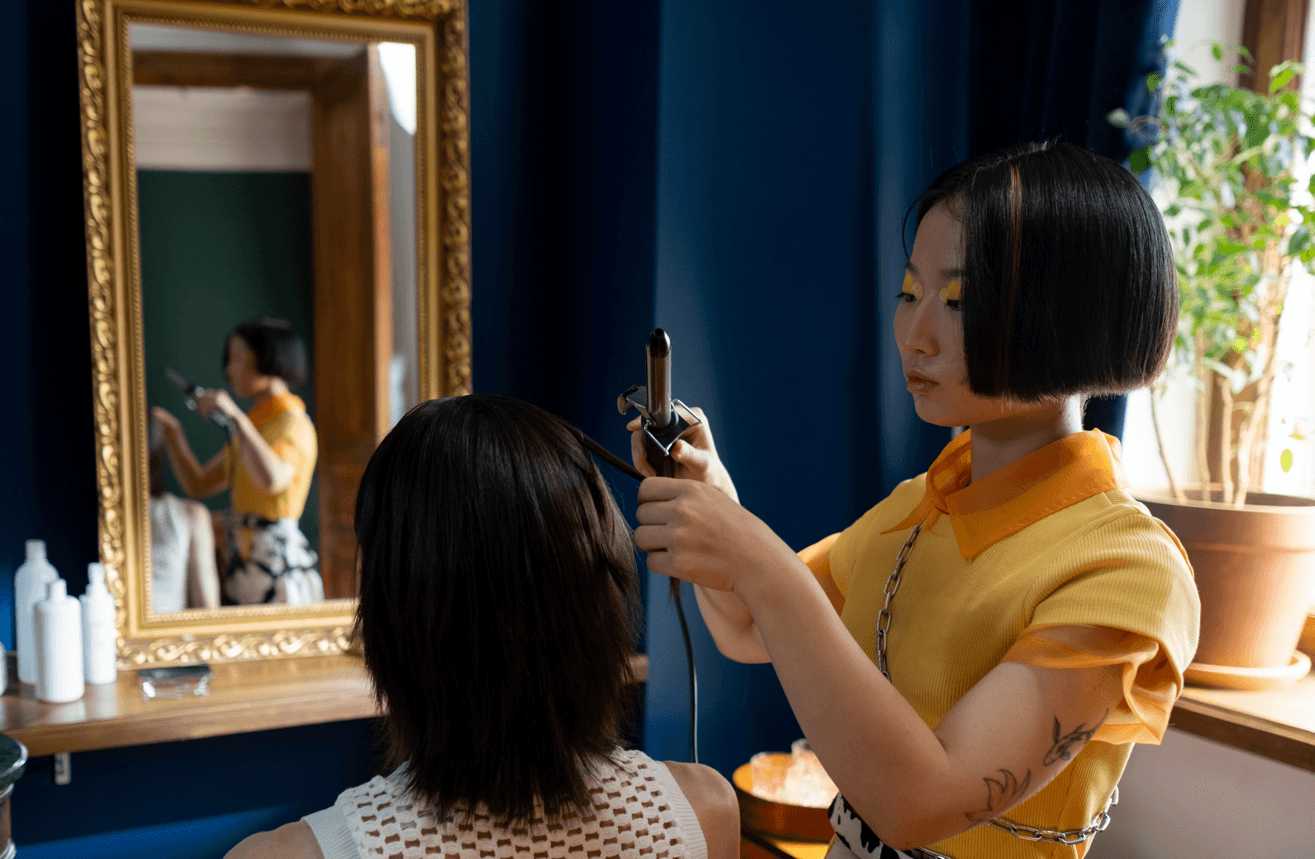

The UK hair and beauty sector is genuinely open to independent businesses, there's no dominant chain controlling the market the way some industries have, which means a well-run salon or freelance setup can carve out real space to thrive. Getting there means covering ten practical essentials, from your business plan through to how you'll actually market yourself.
Key Takeaways
- A solid business plan and the right legal structure come first, most hair and beauty businesses benefit from limited company status once they're ready to scale.
- Licensing depends on your specific treatments: standard hairdressing generally doesn't need a specific licence, but chemical treatments fall under COSHH regulations and require allergy testing.
- Location, staffing, and branding all shape how well you attract and retain clients in a genuinely competitive, largely independent sector.
- Insurance is essential, public liability and treatment liability at minimum, with employer's liability a legal requirement once you take on staff.
- A visual, Instagram-led marketing strategy tends to work particularly well for hair and beauty, given how much the work relies on showing real results.
1. Start With a Solid Business Plan
Before anything else, put together a proper business plan covering your goals, target market, competitive landscape, financial projections, and marketing approach. It guides your early decisions and is genuinely useful to look back on later, and it also matters if you're looking to attract investors or lenders.
2. Understand Licensing and Permits
Requirements depend heavily on what you're offering. Familiarise yourself with your local council's regulations and health and safety guidelines before you open.
You don't need formal qualifications to work as a hairdresser or beauty technician, but being properly trained can help keep your insurance costs down and reassures clients. If you're offering treatments like hair colouring or eyelash extensions, you'll need to follow Control of Substances Hazardous to Health (COSHH) regulations, including carrying out allergy tests before proceeding with these treatments.
3. Choose the Right Business Structure
Sole trader status is simpler to set up, but you're personally liable for any business debts. A limited company separates you legally from the business, protecting your personal assets if things go wrong, and can also bring a more professional image, easier access to funding, and a more tax-efficient way to pay yourself as the business grows. Our full comparison of sole trader vs limited company covers the trade-offs properly.
4. Pick a Suitable Location
Consider parking, public transport access, room to grow, and visibility to your target audience. Research local competition and footfall, and think about how far your ideal clients are realistically willing to travel, and whether they'd prefer a central or more residential setting.
5. Build a Skilled, Qualified Team
Your staff shape your brand as much as anything else you do. Hire people who are genuinely skilled and passionate about the work, and get to grips with PAYE registration and your recruitment process before you start hiring.
6. Define Your Branding and USP
In a sector with so many independent businesses, a clear brand identity and unique selling proposition genuinely help you stand out. Choose a name that reflects your identity, whether that's an organic, eco-conscious salon or something more fashion-forward, and be specific about what sets you apart, whether that's sustainable products, a particular specialism, or something else entirely.
7. Build a Strong Marketing Plan
A user-friendly website showing your services, pricing, and contact details is a genuine baseline. Beyond that, social media is where hair and beauty businesses tend to do particularly well, since the work is inherently visual. Share before-and-after transformations, geotag your posts, and keep your location easy to find across your platforms and printed materials. Consider local partnerships, referral programmes, and loyalty rewards alongside your online presence.
8. Use a CRM and Point of Sale System
A client relationship management system helps you track appointments, send reminders, and build detailed client profiles, all of which genuinely support customer loyalty over time. A proper point of sale system keeps payments and records straightforward too.
9. Get the Right Insurance
Public liability insurance and treatment liability insurance are both worth having, covering accidents on your premises and claims arising from the treatments themselves, an allergic reaction to a hair dye, for example. If you employ anyone, employer's liability insurance is a legal requirement, not optional.
10. Keep Learning and Adapting
The industry moves quickly, with new techniques, trends, and technology arriving regularly. Investing in ongoing training for yourself and your team, through workshops, conferences, or courses, keeps your services current and your skills sharp.
Ready to Get Started?
Our range of company formation packages can help you register your hair and beauty business properly, whether you're setting up as a sole trader or limited company.
FAQs
What are the first steps to starting a hair and beauty business?
Start with a detailed business plan covering your services, target market, and finances. From there, decide on a business structure, find a suitable location, and secure the right insurance before opening.
Do I need a specific licence to open a hair salon or beauty parlour?
It depends on your treatments and local authority. Standard hairdressing generally doesn't require a specific licence in England and Wales, though some councils have their own registration or health and safety checks. Check with your local council for an accurate picture.
Should I register as a sole trader or a limited company for my salon?
A limited company is often recommended, since it offers limited liability protection for your personal assets. Sole trader status is simpler to set up but leaves you personally liable for business debts.
What kind of insurance does a hair and beauty business need?
Public liability insurance at minimum, plus treatment liability insurance to cover claims from the treatments themselves. Employer's liability insurance is a legal requirement once you take on staff.
How do I choose the right location for my beauty business?
Look for high footfall, good visibility, and easy access by transport or parking, while weighing up local competition. Some competition signals a healthy market, but too much nearby can make early traction harder.
What are the health and safety requirements for beauty treatments?
Regular risk assessments, proper tool sterilisation, safe chemical storage, and trained staff are all essential. Keep records of client consultations and patch tests to make sure treatments are carried out safely.
How can I market my new hair and beauty salon effectively?
Build a strong presence on visual platforms like Instagram and Facebook to showcase your work, encourage Google reviews to help local search visibility, and consider introductory offers or loyalty schemes in your early months.
This article is for general information only and does not constitute legal, tax, or financial advice. Licensing and health and safety requirements can vary by local authority, so it's worth checking current guidance directly.