 0207 608 5500





Search ideas, news and case studies
Blog Categories
Inside Dazey Talent: A Boutique Agency Putting Care at the Centre
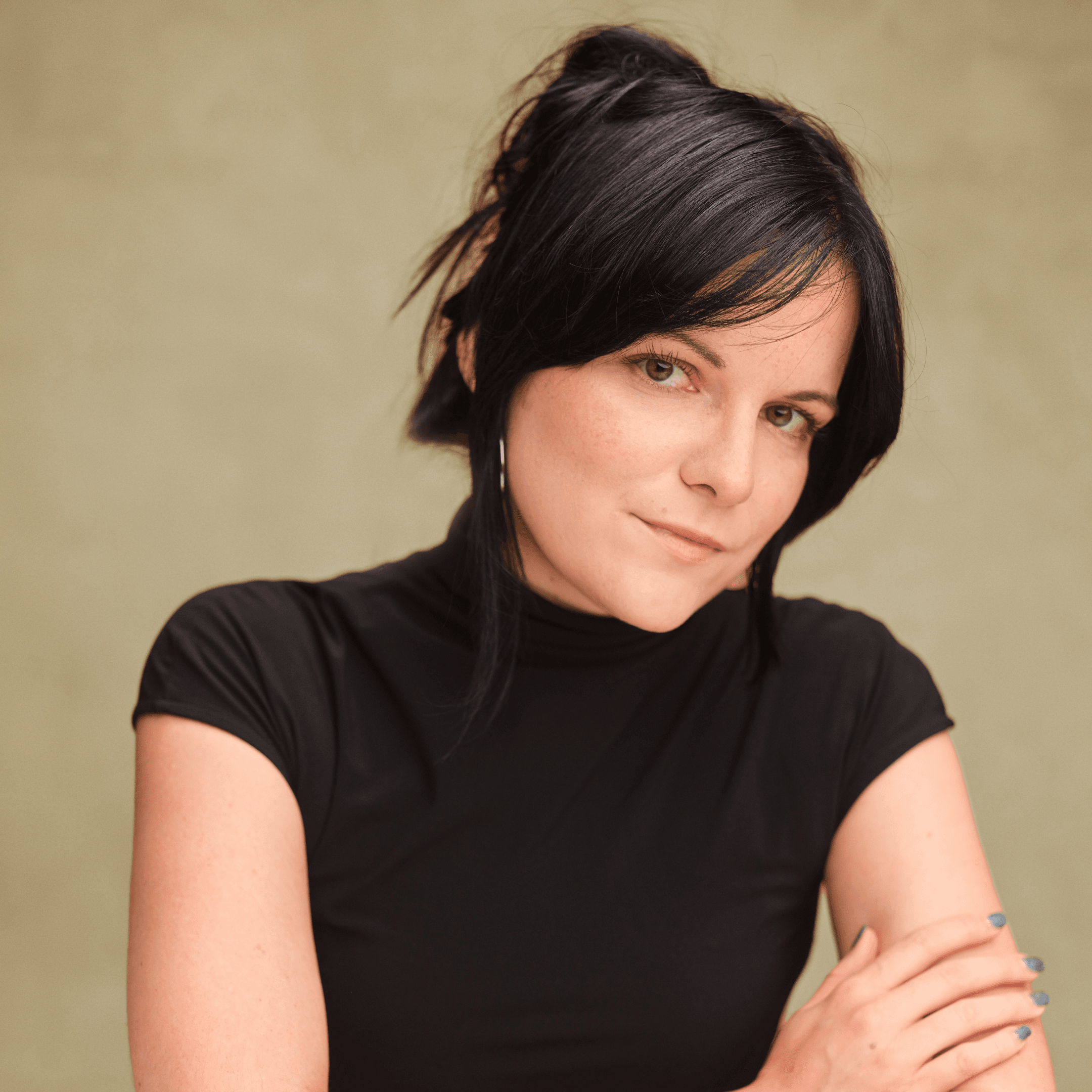
Abbie Hills founded Dazey Talent (formerly known as The Dazey Hills Company) to offer something she struggled to find in the entertainment industry: representation that feels personal, inclusive and genuinely supportive. Today, she manages a boutique roster of more than 60 actors across stage and screen.
Abbie’s approach blends industry expertise with care. She acts as an agent, advocate and access coordinator, creating a space where emerging and underrepresented performers can grow with confidence. From nurturing new talent in Southampton to helping clients secure international work, Abbie has built a values-led agency that prioritises safety, connection and long-term development.
This case study explores her journey, the challenges of building credibility as a young founder, and the everyday practices that make Dazey Talent a model for inclusive talent management.
From child actor to founder at 23
Abbie’s story begins long before Companies House registrations and client rosters. She grew up inside the world she now helps others navigate- from the age of 14, Abbie attended acting classes, took on early screen work and signed with an agent.
Those early experiences stayed with her. The relationship felt formal, distant and a bit intimidating. Agents seemed like people you had to impress rather than people you could lean on, and that feeling shaped how she later imagined a more supportive kind of representation.
Over time, her frustration turned into an idea. What if representation did not have to feel daunting? What if an agency stayed small on purpose so it could stay personal? Abbie explains that she wanted to create and nurture a space for boutique management, a genuinely supportive and close-knit community for actors.
Starting an agency at 23 while finishing her Masters was far from the obvious route. It meant leaving a steady retail job, registering a business and stepping into a sector where most agents were older and long established. Yet that leap is part of what defines her journey, rather than waiting for permission to enter the industry in a different way, she built the space she wanted to see.
Building a name in a closed-door industry
Talent management runs on reputation, and the entertainment industry is already known for being exclusive. For a young woman building an agency outside the traditional London bubble, that reality came into sharp focus.
Abbie knew how to hustle. She had been networking since she was 14 and landed her first onscreen role at 15. She understood how to email, follow up and keep putting herself forward, but even with that experience, getting casting directors and producers to see her as credible took time.
As she puts it,
“You have to build a reputation to gain people's trust, whether that's casting, directors or producers.”
In the early years, her client list was small and very local. She represented five to ten actors from Southampton, securing corporate shoots, music videos and short films. These jobs acted as stepping stones, gradually building credibility. As credits accumulated and relationships deepened, things slowly shifted, and today her clients work internationally across major TV shows and films.
The joy of “that phone call”
For Abbie, one moment captures the heart of her work: calling a client to tell them they have booked a role. It is the point where all the behind-the-scenes effort advocating, pitching, negotiating and relationship building comes together, and a reminder of why she chose such a hands-on, boutique approach.
Those calls also reinforce the value of keeping her roster intentionally small. She knows what each opportunity represents and can celebrate those milestones in a genuine, personal way. For her, as well as being good news, they show that the agency she built is opening real doors for talent who might otherwise be overlooked.
Learning to negotiate and refusing to do it alone
Like many first-time founders, Abbie looks back on her early 20s and sees a steep learning curve. She taught herself branding, built her own website and handled marketing in-house to keep overheads low. The harder lessons, though, were about confidence.
Negotiating fees and terms with experienced industry professionals was daunting at first. As a new agent, she was conscious of “earning her stripes”, keen not to rock the boat or damage relationships that mattered for her clients’ futures. Over time, she realised that advocating firmly for her actors was not being “too pushy”, it was the job.
Another shift came in how she viewed other agents. Instead of competition, they became collaborators, people she could call when something felt uncertain or needed a quick sense check. In such a freelance-heavy sector, where isolation is common for both performers and founders, those relationships matter. Abbie notes that “it can be quite isolating when you're not in the workplace,” which is why building professional friendships and a supportive peer network has become an essential part of her resilience.
Protecting talent and trusting the gut
 Abbie’s experience as a young woman in the industry shapes how she now supports the people on her books. Starting out at 15, she remembers how hard it was to judge whether a casting call was legitimate, a comment was appropriate or a situation felt safe.
Today, she sees her role as part career strategist, part safeguarding ally. If something seems “too good to be true”, she will dig into the details, ask questions and gather the information clients need to make informed choices.
Her approach is simple:
“I never want to take anyone's voice and decision away, but I do want to make sure they're safe.”
Actors, especially early in their careers, often worry about saying no. Abbie helps them trust their instincts. If a director’s behaviour feels off or a project raises doubts, she encourages clients to listen to that discomfort. Experience has taught her that a gut feeling is rarely random.
Inclusion as everyday practice, not just a statement
Inclusion is easy to claim, but much harder to embed. For Abbie, it starts with the structure of her agency; she is intentional about keeping her roster between 60 and 65 clients so she can stay close to each person’s needs.
As she puts it,
“The joy in doing this is that I keep my client roster quite small and have one-to-one relationships with them.”
That personal approach is supported by thoughtful systems. Monthly “coffee club” Zooms offer clients a relaxed space to check in and support each other, while her two WhatsApp groups, one lively, one a quiet information-only space, ensure everyone can engage in a way that suits them.
Her work as an access coordinator also feeds directly into the agency. She regularly creates access riders for talent and offers this as part of her onboarding process. Even when clients decline at first, simply being asked the question helps them feel seen and supported.
Importantly, Abbie is building an intentionally mixed, intersectional roster. Rather than representing a single identity group, she wants Dazey Talent to reflect “a bit of everyone”, creating a community designed with care, not curated for optics.
Seeing more women at the table
Although the stereotype of male-dominated film sets persists, Abbie’s day-to-day experience looks very different. In casting offices, agencies and on production sets, she is surrounded by women. Seeing female agents, casting directors and producers lead the work challenges traditional assumptions about who holds authority in entertainment and broadens what younger women imagine is possible.
This visibility matters to her.
As she puts it,
“We want to see women doing what we want to be doing, and then we'll be inspired to do it.”
For Abbie, representation is not a buzzword but a practical tool. When women can see people whose lives look something like theirs, the leap into running a company feels less like stepping off a cliff and more like a path they are allowed to take.
Still, she is honest about how persistent cultural narratives can be. Many of the business courses, podcasts and resources she encountered early on were led by men, reinforcing the idea that entrepreneurship is a male-coded space. Even the word “business” can still conjure, for her, “a bunch of blokes in a boardroom.”
Her presence as a disabled, neurodivergent woman running a respected agency sits firmly against that backdrop. She is not only advocating for more inclusive casting; she is modelling a different idea of who gets to own, lead and build a company in this industry. What she hopes to see next is simple: more women’s stories, more visible pathways and more room for founders whose journeys do not follow traditional routes.
Advice for women thinking about starting a business
Asked what she would say to women considering launching something of their own, Abbie does not reach for a glossy slogan, her guidance is grounded and gentle.
First, she stresses the importance of pacing yourself. Society trains women to multitask, to caretake, to excel at work and at home, and to do it all at speed. That pressure seeps into entrepreneurship. She reflects on her own experience of quitting her job, registering her business quickly, and, in hindsight, learning how much energy that kind of sprint can cost.
Her core advice is simple:
“Don't rush.”
Those two words carry a lot inside them. They are not about waiting forever or talking yourself out of ideas, they are about resisting the story that success has an expiry date or that you are behind if you are not scaling at breakneck speed.
She encourages women to build in pauses, to breathe, to check in with what actually feels right for their bodies and circumstances. Growth can be steady, and learning can be layered; there is no prize for burning out first.
She also quietly invites women to trust their own sense of fit. Whether it is a business model, a partnership or a client, if something feels off, you are allowed to step away. Winning on your own terms is worth more than hustling for a version of success that does not match your values.
One word for the journey: nurturing
Near the end of the interview, Abbie is asked to sum up her journey as a founder in a single word. She lands on “nurturing”.
It is an apt choice. She has had to learn how to nurture herself, not just her clients. She jokes that she is bad at celebrating her own wins, almost brushing off being featured in Forbes as just another item on the to-do list. Yet if you look closely, you can see the care running through her work for her actors, for her scripts, for the wider creative community she is part of.
She explains that she even describes herself as a “star maker”, not in the ego-driven sense the industry sometimes leans into, but as a quiet promise. Helping someone feel like a star, even for a moment, when they book the role they dreamed of or step onto a set that finally feels accessible to them, is what lights her up.
Nurturing, for Abbie, is not soft or vague, it is a practice. It shows up in access riders and Zoom rooms, in WhatsApp group settings and in the courage to say no to unsafe opportunities, even when they come dressed as big breaks. It is the thread that runs from her teenage self on set in Southampton to the founder she is today.
Closing reflections
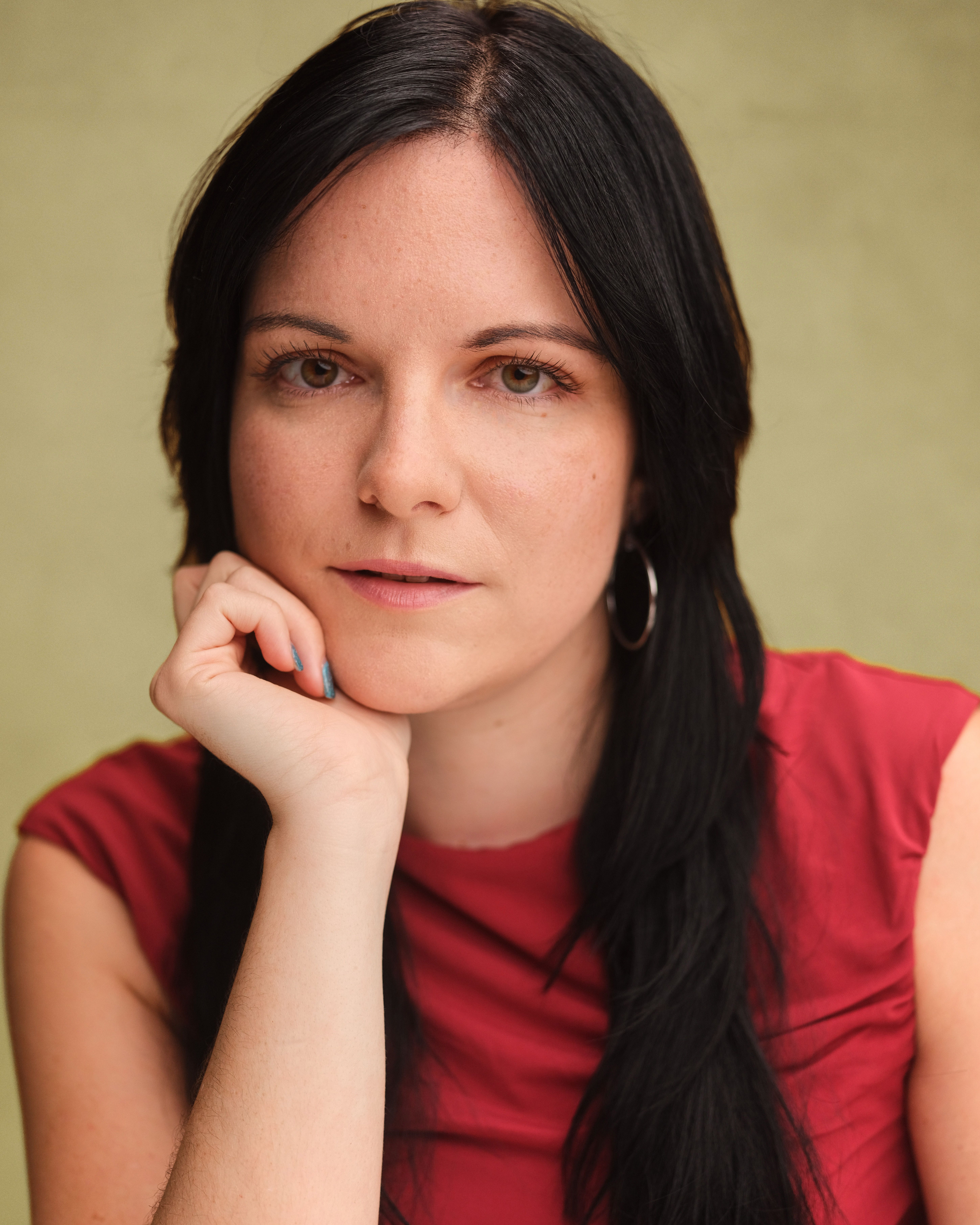
Abbie Hills and Dazey Talent offer a different picture of what success in entertainment can look like. Smaller rosters, slower growth, deep relationships and an uncompromising commitment to inclusion are not the most traditional path, yet they are clearly working.
Her story is a reminder that you do not have to mirror the loudest version of “business” to build something meaningful. You can be easy-going, compassionate and quietly determined. You can design a company around access and care, and still open doors to international work and major productions.
Follow Dazey Talent on Instagram.
Check out Dazey Talent!
Inspired by Abbie’s journey?
Whether you are ready to register your company or just exploring what your own version of “star-making” might be, Companies MadeSimple is here to support your next step.
Explore our simple company formation services and start shaping a business that feels true to you.
