0207 608 5500





Search ideas, news and case studies
Blog Categories
Commercial vs Residential Cleaning Business: Which Should You Choose?
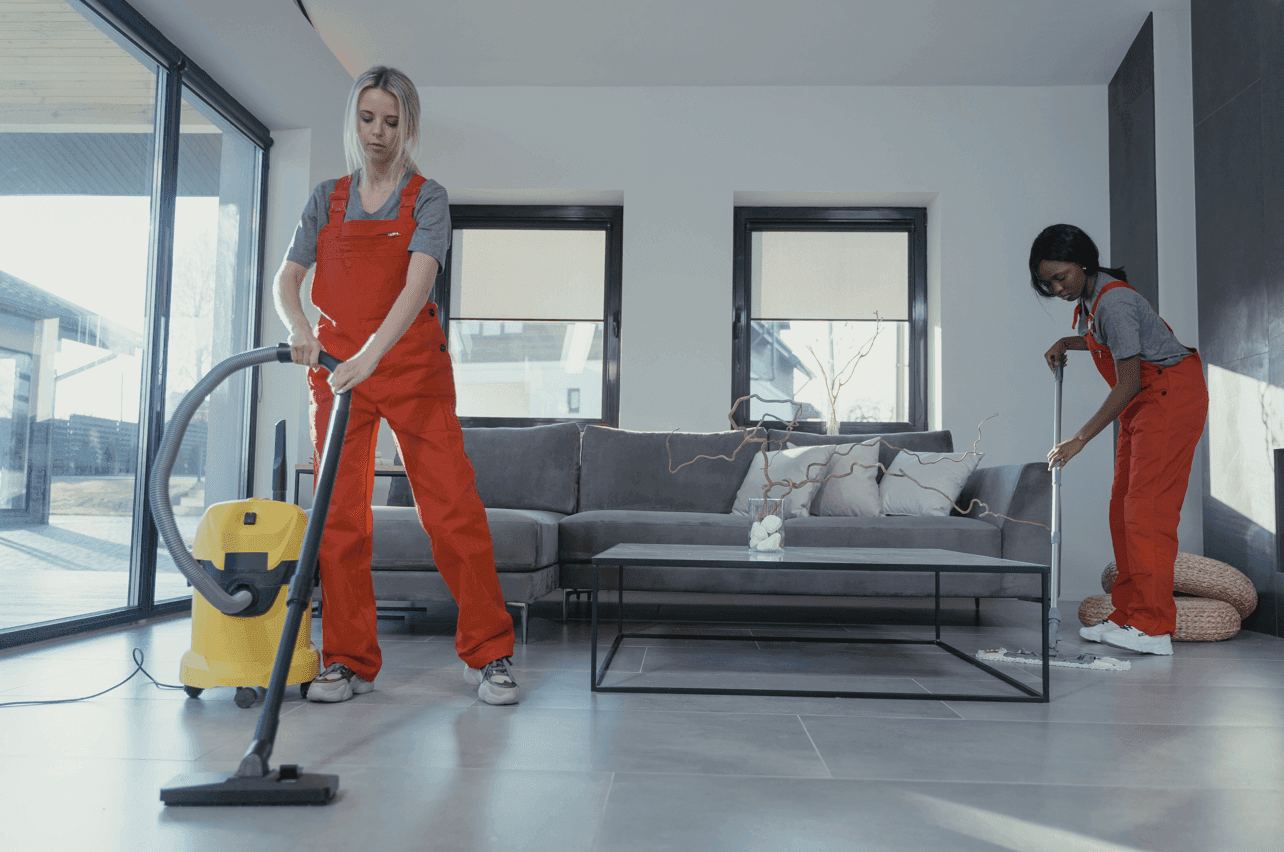
Commercial and residential cleaning are genuinely different businesses, not just different clients. Commercial work means higher setup costs and bigger contracts. Residential work means lower costs and more flexibility. Here's how to work out which one actually fits what you're building.
Key Takeaways
- Commercial cleaning (offices, hotels, retail) usually means higher setup costs, bigger equipment, and contract-based work.
- Residential cleaning is cheaper to start and gives you more control over your hours and workload.
- Your choice affects your business structure too. Commercial operators often lean toward a limited company, while many residential cleaners start as sole traders.
- Insurance requirements apply either way, and Employers' Liability insurance is a legal must if you take on staff.
- You can specialise now and expand into the other market later once you've got a client base and some cash flow behind you.
Commercial Cleaning: What It Actually Involves
Commercial cleaning means working in spaces like offices, hotels, and retail units, usually on a contract rather than a one-off booking. It tends to cost more to set up, but the earning potential is higher too.
Hotels often need heavy daytime cleaning coverage. Offices usually want cleaning done before or after working hours, so nobody's in the way. Retail and hospitality spaces have their own hygiene standards to meet, which shapes what kind of cleaning they need and when.
Setting up for commercial work costs more than residential. You're looking at heavier equipment, possibly a van, and enough staff to get a job done inside a client's required window. The trade-off is that commercial contracts tend to pay more consistently once you've landed them, which can offset the higher overheads if you manage your costs carefully.
If you're going after commercial contracts, you'll likely need financial backing to cover staff and equipment before your first invoice lands. Insurance and, depending on the client, licensing requirements come with the territory too.
Residential Cleaning: What It Actually Involves
Residential cleaning means working in people's homes, usually during the day while the client's out. It's cheaper to start than commercial cleaning, and it gives you more say over how you structure your week.
You can often fit several homes into one day, at times that work for both you and the client. Setup costs are lower too. You still need a solid kit of tools and products, but it's realistic to start on a tight budget in a way that's harder to pull off in commercial cleaning.
Growth in residential cleaning tends to come from word of mouth and reputation, the same as commercial. Start as a one-person operation, build a name for reliable work, and you can end up with other cleaners wanting to work under your business as it grows.
The Real Trade-Offs Between the Two
Choosing between commercial and residential cleaning comes down to your budget, your appetite for admin, and how much control you want over your hours. Neither one is the "right" answer. It depends on what you're starting with and where you want to end up.
Commercial cleaning asks more of you upfront: more equipment, more staff, more insurance to think through, and travel logistics that matter more than people expect. If you take on hotel or office clients spread too far apart, you'll burn through both your team's hours and your fuel budget fast. Keeping your client base within a manageable radius matters more than it sounds like it should.
Residential cleaning is more forgiving to start, but the margins per job are usually smaller, so you're relying more on volume and repeat bookings. Location still matters. Areas with busy professionals or a strong commuter population tend to generate more consistent demand for home cleaning.
If you're still deciding which direction fits you, our broader guide on starting a cleaning business covers the wider setup process, from pricing to marketing, for either path.
Should You Register as a Sole Trader or Limited Company?
Which structure suits you depends more on the scale you're aiming for than on whether you're commercial or residential specifically, though the two tend to correlate. Bigger commercial ambitions often point toward a limited company. Smaller residential setups often suit a sole trader.
A limited company separates your personal finances from the business, so your personal assets are better protected if the business runs into financial trouble. It also tends to carry more credibility with bigger commercial clients. The trade-off is more admin: annual accounts, a confirmation statement, and corporation tax filings with HMRC every year.
Sole trader status is simpler. Fewer filings, more straightforward tax returns through Self Assessment. The catch is that there's no legal separation between you and the business, so your personal finances are more exposed if things go wrong.
Our guide on sole trader vs limited company breaks this down properly if you want the full picture before deciding.
Insurance and Legal Requirements to Know About
Whichever path you choose, get your insurance sorted before you take on your first client, not after. If you employ staff, Employers' Liability insurance isn't optional. It's a legal requirement.
If you're taking over an existing cleaning contract from another provider, TUPE rules may apply to any staff already working on it, so it's worth understanding your obligations before you sign anything. A DBS check is also worth arranging if your work involves schools or other settings involving vulnerable people, and can help reassure commercial clients generally.
Our small business insurance guide covers what's worth having for a cleaning business specifically, so you're not guessing what applies to you.
Getting Set Up
Once you've picked your lane, the actual company formation process is fairly quick, especially with the right support behind you. If your plans involve VAT or PAYE registration down the line, both are worth understanding early rather than scrambling once you're already trading.
You can compare our company formation packages to see what fits your setup, whether you're going sole trader or limited company. Our VAT registration guide and PAYE registration support are also worth a look once you're ready to take on staff or your turnover starts climbing. Or head to our homepage to see everything else we offer.
FAQs
Is commercial or residential cleaning more profitable?
Commercial cleaning usually pays more per contract, but it costs more to set up. Residential cleaning has lower overheads but smaller margins per job, so profitability depends on your volume and how well you manage costs either way.
Do I need a different type of insurance for commercial vs residential cleaning?
The core insurance, like public liability and Employers' Liability if you have staff, applies either way. Commercial contracts may come with additional insurance or licensing expectations from the client.
Should a cleaning business be a sole trader or limited company?
It depends on your scale and risk appetite, not strictly on commercial vs residential. Larger, staff-heavy operations often benefit from the protection a limited company offers, while smaller setups may prefer the simplicity of sole trader status.
Can I do both commercial and residential cleaning?
Yes, but most cleaners find it easier to specialise first and expand once they've built a stable client base and some cash flow to support the switch.
What's the biggest hidden cost in commercial cleaning?
Travel time and fuel, if your clients are spread too far apart. It eats into both staff hours and your margins faster than people expect.
This article is for general information only and does not constitute legal, financial, or business advice. Insurance, licensing, and tax requirements can vary depending on your circumstances, so it's worth checking current guidance or speaking to a qualified professional before making decisions.