0207 608 5500





Search ideas, news and case studies
Blog Categories
How to Start a Cleaning Business in the UK
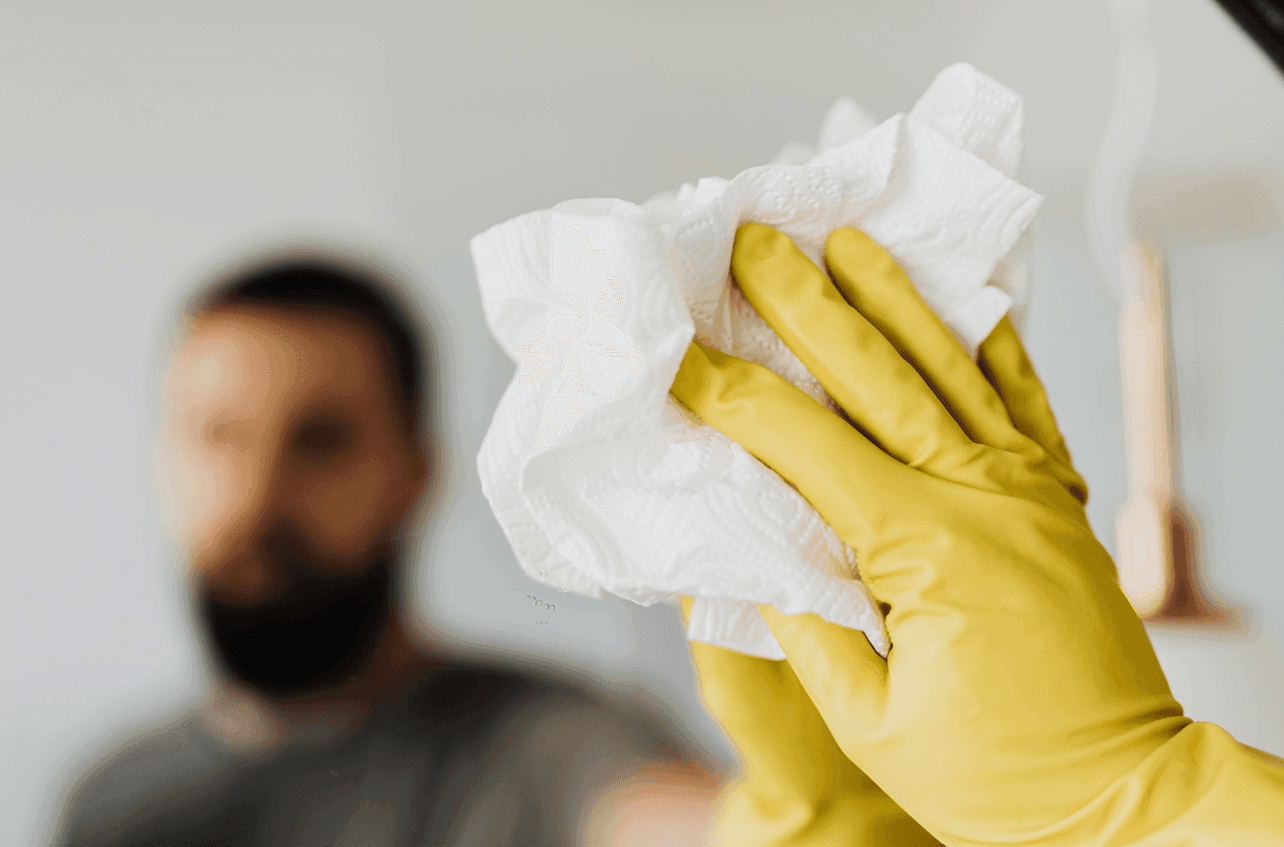
Starting a cleaning business means picking a niche, sorting your legal setup, and building a client base from the ground up. It's one of the easier businesses to start on a low budget, and the UK market has room for it. Here's what actually matters, step by step.
Key Takeaways
- The UK cleaning, hygiene and waste sector is worth almost £72 billion and employs around 1.51 million people, so there's real demand out there.
- You don't need a licence or formal qualification to start cleaning in the UK, but insurance is worth having from day one.
- Deciding between residential and commercial cleaning early shapes your pricing, equipment, and marketing.
- You can start as a sole trader or set up a limited company. Which one suits you depends on how you plan to grow.
- Word of mouth is still the biggest driver of new clients, but it works best alongside consistent online marketing.
How Big Is the UK Cleaning Industry?
The UK cleaning, hygiene and waste industry is worth almost £72 billion and employs around 1.51 million people, roughly 5% of the UK workforce. It's one of the country's top ten industries by size.
Most of that is made up of small operators. Around 83% of businesses in the sector are micro businesses with fewer than 10 staff. That's good news if you're starting out. It means there's no single dominant player crowding you out, and plenty of room for a well-run small business to find its share of local clients.
Step 1: Decide What Kind of Cleaning Business You Want
Pick a lane before you do anything else. Residential and commercial cleaning need different equipment, pricing, and marketing, and trying to do both from day one usually stretches you thin.
Residential cleaning means private homes: regular cleans, one-off deep cleans, end-of-tenancy jobs. Commercial cleaning means offices, shops, or other business premises, usually with contracts rather than one-off bookings. Our guide on choosing between commercial and residential cleaning goes into more detail if you're still deciding.
Once you've picked a lane, look at who else is already working in it locally. What are they charging? What are they missing? That gap is often where a new business finds its opening.
Step 2: Write an Actual Business Plan
A business plan forces you to think through your numbers and your market before you spend any money. It doesn't need to be long, but it needs to be honest.
Cover your target clients, your rough budget, your pricing, and how you plan to get your first customers. If you ever want funding or just want a clear reference point to check your progress against, this document is what you'll come back to. We've written a full guide to writing a business plan if you want to work through it properly.
Step 3: Sort Out the Legal Side
You don't need a licence or a formal qualification to start a cleaning business in the UK. What you do need is the right insurance and, in some cases, a DBS check.
If you're cleaning schools or other locations involving vulnerable people, you'll likely need a DBS check before you can take the job on. Public liability insurance is worth having regardless of what you clean, since it covers you if something gets damaged or someone gets hurt on the job. If you take on staff, Employers' Liability insurance isn't optional, it's a legal requirement. Our small business insurance guide covers what's worth having and why.
You'll also need to decide your business structure. Sole trader is the simplest way to start, with fewer ongoing obligations beyond your yearly Self Assessment. A limited company takes more admin but can look more credible to bigger commercial clients as you grow. Our guide on sole trader vs limited company walks through the difference.
Step 4: Choose a Name That Works Hard
Your business name needs to do two things: stick in someone's memory, and tell them roughly what you do. Cleaning businesses that lean into a clear, simple name tend to do better than ones chasing something clever.
Before you settle on anything, check it against Companies House naming rules, and check it isn't already trading locally under a similar name. Our guide on the difference between a company name and a trading name explains what you're actually registering versus what you put on your van or website.
Step 5: Get the Right Equipment
Good equipment isn't optional if you want repeat clients. Cheap tools slow you down and produce patchier results, which shows up fast in a service business built on trust.
You don't need to buy everything new. Good secondhand equipment does the job, and a lot of experienced cleaners will tell you technique matters more than having the flashiest kit. Where it's worth spending is on anything that saves you real time on every single job, since that time adds up fast once you're doing several cleans a day.
Step 6: Price It So You Actually Make Money
Set your prices to cover your costs, your time, and a proper margin, not just what sounds competitive. A price that's too low might win you a client this month and lose you the business next year.
Be upfront about pricing on your website or social channels so people know what to expect before they contact you. Consider a loyalty scheme for regulars, since repeat clients are cheaper to keep than new ones are to find. If demand is seasonal in your area, such as spring cleaning or pre-Christmas bookings, build that into your pricing rather than pretending demand is flat all year.
Step 7: Get Your First Clients
Word of mouth still drives most cleaning businesses, but it only works once you already have clients to talk about you. Early on, you need to generate that first wave yourself.
Local Facebook groups, community boards in shops and cafes, and direct outreach to landlords or letting agents all work well for residential cleaning. For commercial clients, a direct email or call to office managers can get you further than social posts. Some cleaners are also building an audience on TikTok or Instagram by posting their cleaning work, which can bring in bookings and occasionally a bit of extra income on the side. If you go this route, always get a client's permission before filming anywhere in their home or premises.
Step 8: Deliver Service That Earns Repeat Business
In a business built on trust, service is what actually keeps clients. Answer enquiries quickly, sort out complaints without a fight, and be upfront about your cancellation and refund policies from the start.
Having clear policies in writing protects your income and sets expectations before a problem ever comes up. It's a lot easier to point to a policy than to negotiate from scratch every time something goes wrong.
Step 9: Keep Checking In on the Business
Don't set your pricing, your services, or your marketing once and forget about them. Revisit your numbers and your client feedback regularly, and be honest about what's working and what isn't.
If you're growing fast enough to think about hiring, it's worth pausing to check you're actually ready. Our guide on when to scale up covers the signs worth watching for before you take that step.
What's Next
Starting a cleaning business doesn't need a big budget or a fancy setup. It needs a clear plan, the right insurance, and consistent effort to get your first clients through the door.
If VAT is on your radar as you grow, our flat rate VAT scheme guide is worth a read. And if you're looking at external funding down the line, our guide to writing a grant application can help.
When you're ready to register your company, you can compare our formation packages or visit our homepage to see everything else we offer.
FAQs
Do I need a licence to start a cleaning business in the UK?
No. There's no licence or formal qualification required to start a cleaning business in the UK, though certain jobs, like cleaning schools, may need a DBS check.
Do I need insurance to start a cleaning business?
It's not always a legal requirement, but public liability insurance is strongly recommended. If you employ staff, Employers' Liability insurance is a legal requirement.
Should I start as a sole trader or a limited company?
Sole trader is simpler and has fewer ongoing obligations. A limited company can look more credible to commercial clients and suits businesses planning to grow or take on staff.
How much does it cost to start a cleaning business?
Start-up costs can be low if you buy secondhand equipment and start with residential clients. Costs rise if you're targeting commercial contracts, which often expect more equipment and formal insurance upfront.
How do I get my first cleaning clients?
Local Facebook groups, community noticeboards, and direct outreach to landlords or office managers all work well early on. Word of mouth becomes your biggest source of new clients once you've built up a track record.
Is the UK cleaning industry still growing?
Yes. The sector is worth almost £72 billion and has grown steadily for several years, with small and micro businesses making up the vast majority of operators.
This article is for general information only and does not constitute legal, financial, or business advice. Requirements around insurance, DBS checks, and business structure can vary depending on your circumstances, so it's worth checking current guidance or speaking to a qualified professional before making decisions.