 0207 608 5500





Search ideas, news and case studies
Blog Categories
Original Taste of the Caribbean: The Business Lessons Behind OTC Beverages
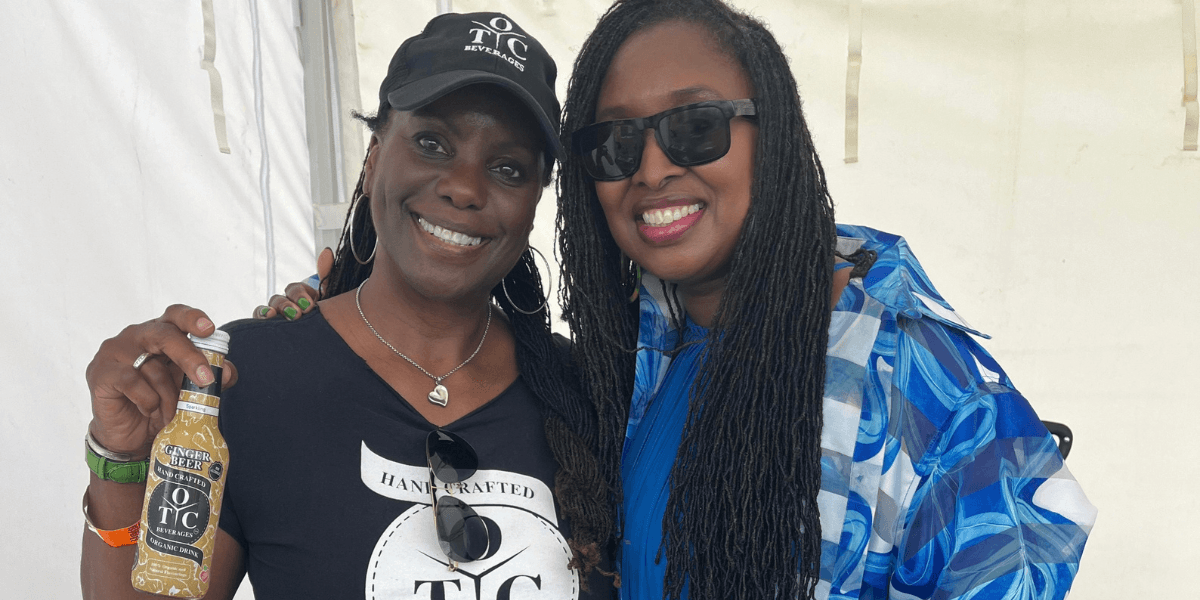

Shirley’s Journey So Far
Shirley White didn't set out to build a drinks brand. She went along to her father's 80th birthday party in 2017, watched his generation bring in homemade drinks by the plastic bottle, and left with an idea instead of a hangover.
What struck her wasn't nostalgia so much as absence. She couldn't think of a single drinks brand that championed the Caribbean community properly: minimal ingredients, something that tasted the way people actually remembered it, rather than a watered-down version of the real thing, and something that felt like it belonged to the culture rather than borrowed from it. Even the old-school Jamaican ginger beer she grew up with has changed, rebranded into something that does not taste the same.
Shirley had zero background in FMCG (Fast Moving Consumer Goods), but what she did have was three decades in a high-level global banking and finance role, one she held down whilst raising two sons. She sold market data into trading floors at Telerate, then ran global market data for Deutsche Bank's front office - travelling internationally, managing teams, and signing off on procurement programmes worth millions of euros. It's a career built on precision and infrastructure, worlds away from flavour profiles, which makes the pivot look more unlikely than it probably felt to her at the time.
Turning the idea into an actual product meant learning an entirely new industry from nothing. She spent time understanding what launching a drinks brand would really involve, from branding through to getting a product onto shelves, before she let herself commit to it properly.
Once she did, she was clear the brand needed to be something bigger than a bottle: sponsorships, charity events, and a community rallying around something they'd helped build. Seven years on, OTC Beverages sells three drinks: a ginger beer, a sorrel, and a lime juice spiked with butterfly pea flower, which turns from pink to a deep purple the moment lime hits it.
Here's what those seven years in the business have actually taught her.
Keep It Simple
Ask Shirley about the ingredient list and she'll tell you the same thing she's told buyers for years: complexity doesn't travel well. She's stayed away from CBD-infused drinks and mushroom-laced tonics, despite years of both dominating category conversations, because a short ingredient list clears customs and compliance in a way a trendy one rarely does.
“They serve their purpose,” she says, “but they can be very restrictive when you're going to different markets, and even when speaking to corporations.”
For Shirley, staying simple also means staying close to how the drinks were originally made, a version she's not willing to compromise for the sake of any one market. It's become a working rule rather than a talking point: every product decision gets tested against it first.
The Rule: If an ingredient can't clear customs, it doesn't belong in the bottle.
Do Your Homework
The one piece of homework Shirley wishes she'd done properly before launching is the wholesale side, the margins involved, and how closed that buyer market actually is. Getting a distributor to take on a new brand runs on relationships built over years far more than on what's in the bottle. She only understood that cycle properly once she'd been inside it for a while, learning the shape of it as she went rather than walking in prepared.
That research doesn't have a natural finish line, either. Understanding how the wholesale market moves isn't something she did once and set aside, it's an ongoing part of running the business.
The Rule: Wholesale isn't something you research once before launch, it's a relationship-driven process you keep learning as you go.
A Grant Won't Save Your Business
Seven years of bootstrapping will make anyone impatient with startup funding schemes, and Shirley doesn't hold back on this one. Small business grants from major banks, she says, amount to gesture money: good for a press release but extremely challenging for hiring anyone.
"Companies like Lloyds and Barclays offer these pockets of money - £5,000, £3,000 - to founders, it's welcomed, however, it can go extremely quickly when running a commercial product driven business.."
Her read on why is just as direct. Banks don't structure funding seriously because they don't take early-stage businesses seriously, and she believes that gap widens further for women-led and non-European businesses trying to get heard in the same rooms. Real financing, in her view, starts closer to six figures. Until a lender is willing to have that conversation properly, she'd rather keep the business entirely her own.
The Rule: Don't chase funding that isn't structured to actually help the business grow.
Build Loyalty in One Community Before You Chase Everyone
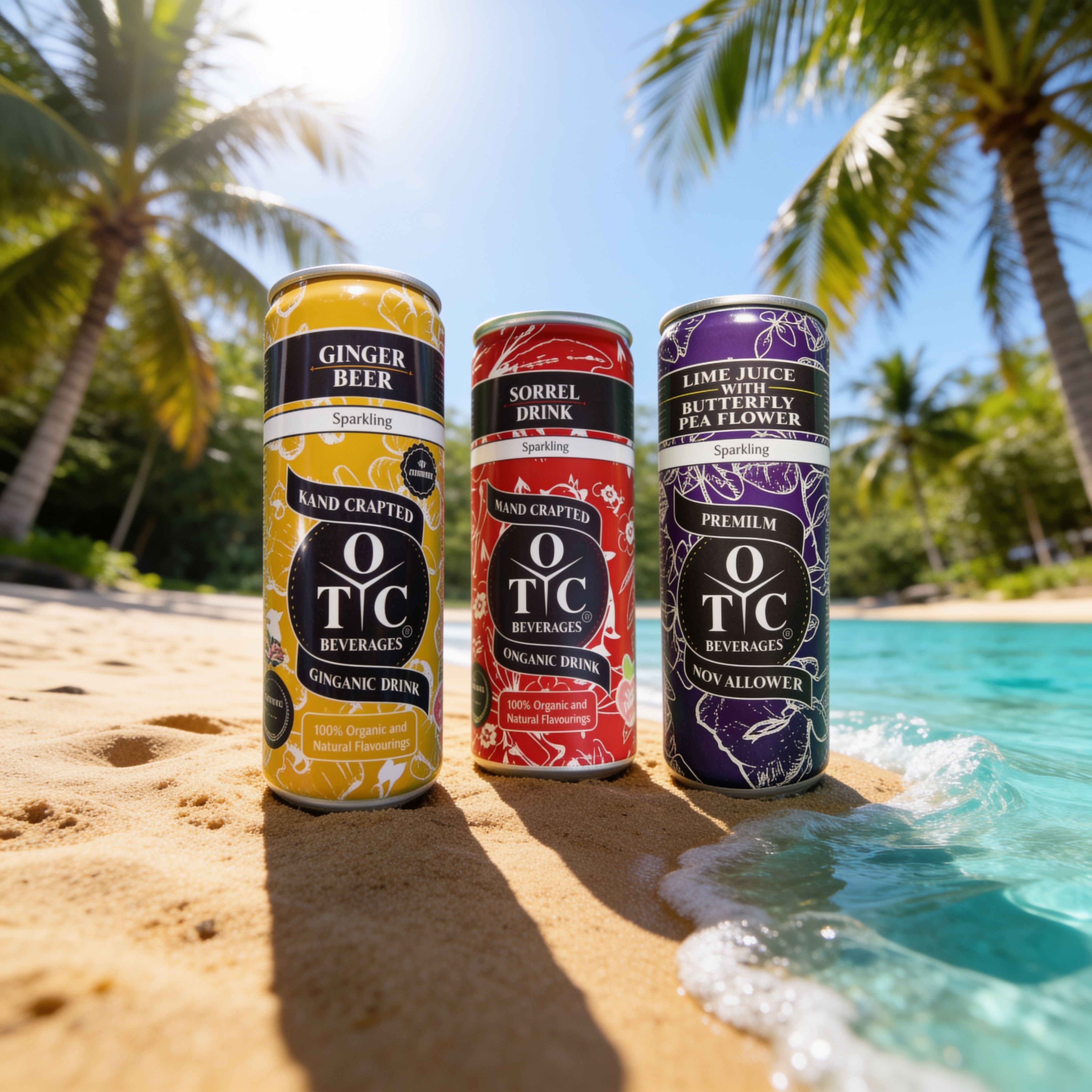
Drinks is one of the most saturated categories a founder can walk into, and Shirley never tried to compete across the whole market at once. She built inside the Caribbean community first, where she'd noticed something particular: once a product earns trust there, people don't wander off to try something else. She compares it to how West Indian food works; you don't go looking for it outside a restaurant that actually knows how to make it properly, because a version that gets it wrong doesn't survive long.
Only once that loyalty was locked in did she widen the pitch outward, from a product built for one community to a drink that happens to suit anyone reaching for something refreshing.
The Rule: Earn trust in one room before trying to fill every room.
Awards and Benchmarks Are a Credibility Shortcut
Getting a wholesaler or distributor to take a first meeting seriously is its own uphill climb, and Shirley found outside validation did more of that work than any pitch she could give on her own. OTC Beverages' drinks have been benchmarked against industry standards by independent judges and shortlisted for a handful of awards. A few of those shortlistings turned into wins, and in rooms full of buyers who've heard a hundred pitches that week, a track record like that opens doors enthusiasm alone won't.
The Rule: Get benchmarked and recognised before you rely on the pitch alone.
Do the Research Before You Spend a Penny
Shirley's advice to anyone thinking about turning a personal story into a business starts deliberately small: talk to the people who'd actually buy the thing before you build it, and talk to someone who's already built something similar before you assume you know better.
Nobody hands over their exact blueprint, she says, but people already inside an industry can still point out where the potholes are.
She's less patient with generic mentorship. Most of what a mentor tells a founder can be found with a decent search these days, and advice from someone who's never lived through the problem tends to land flat. What she trusts is advice that's actually been earned, from someone who did the thing themselves, not just read about it.
The Rule: Prioritise advice that's been earned, not just quoted.
The Takeaway
None of what's kept OTC Beverages moving forward reads like inspiration-board advice. It reads like operating notes; the same discipline Shirley once brought to trading floors and back-office processes, just pointed at non alcoholic beverages instead of market data.
Whatever markets OTC Beverages moves into next, her approach isn't likely to change: keep it simple, earn trust first, and let the results speak for themselves.
Ready to try the original taste of the Caribbean for yourself? Find OTC Beverages online, or follow the brand's next chapter on Instagram.
Inspired by Shirley’s journey?
Whether you're ready to start your business or just exploring the idea, Companies MadeSimple is here to support your next step. Explore our company formation services whenever you feel ready.
