 0207 608 5500





Search ideas, news and case studies
Blog Categories
Millie Flemington-Clare: Redefining Beauty Through Access and Human Design
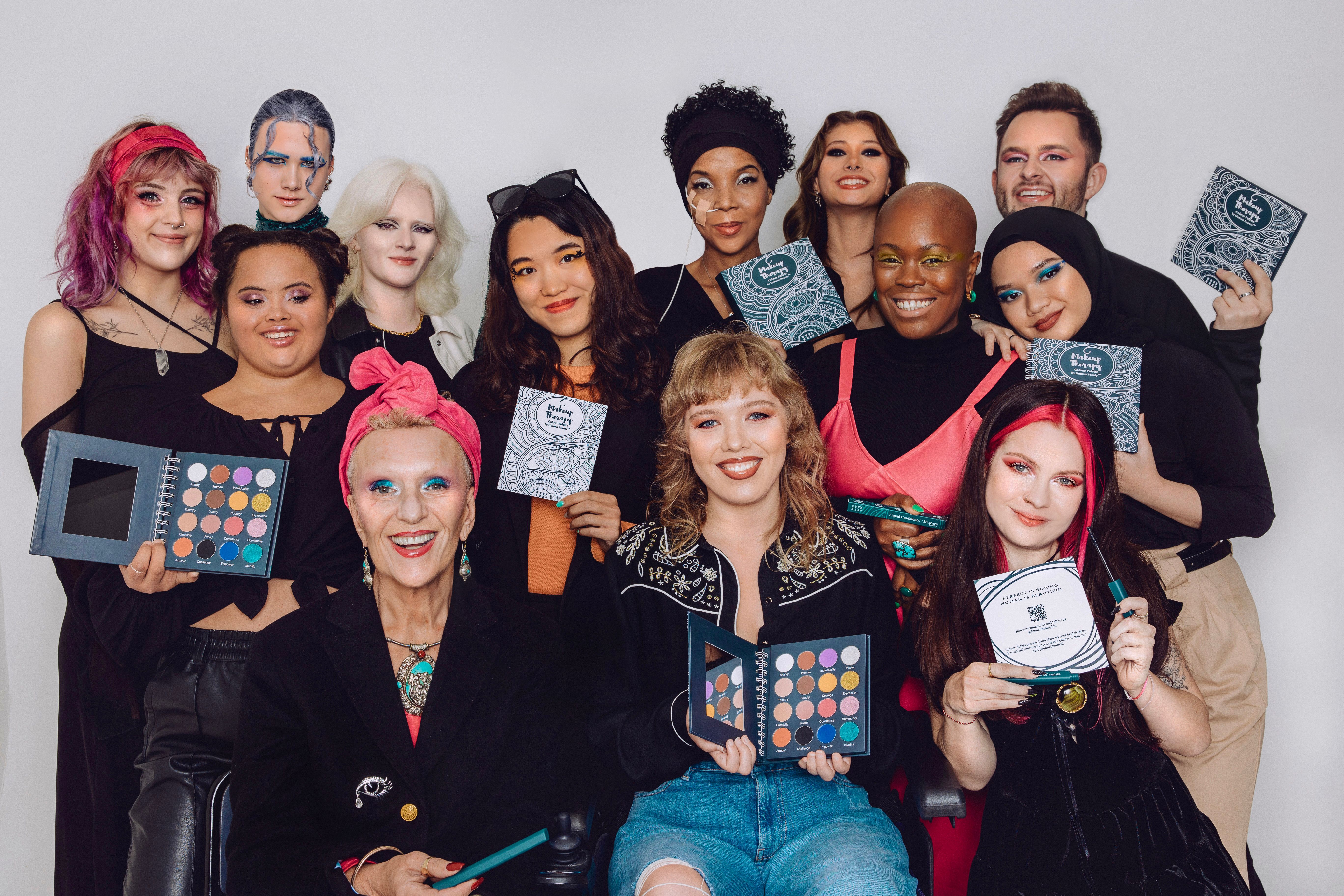
Human Beauty began with lived experience, shaped over years of navigating a world that often overlooked people like Millie Flemington-Clare.
For Millie, beauty was never just about products. Growing up with a rare condition called cystinosis, which affects around 2,000 people worldwide, she spent much of her childhood feeling different. Hospital visits became part of life. So did bullying. In that environment, makeup became more than a routine. It became comfort, creativity and control. It gave her a way to reconnect with herself when the world around her felt uncomfortable or unkind.
As she puts it,
“I kind of found myself through beauty and makeup, and it became my therapy.”
That experience stayed with her, along with the frustration that came with it. Beauty helped her feel more like herself, yet the industry around her rarely reflected that reality. Disabled people were often overlooked, accessibility was treated as an afterthought, and inclusion, when it appeared at all, felt surface-level. So Millie chose to build the brand she had needed growing up.
Human Beauty grew from lived experience and a clear understanding of what was missing: a beauty brand designed with disabled people, not simply marketed at them. Today, it stands for something far greater than makeup; it stands for dignity, co-creation, and the belief that access should never be treated as a luxury.
Where the idea really began
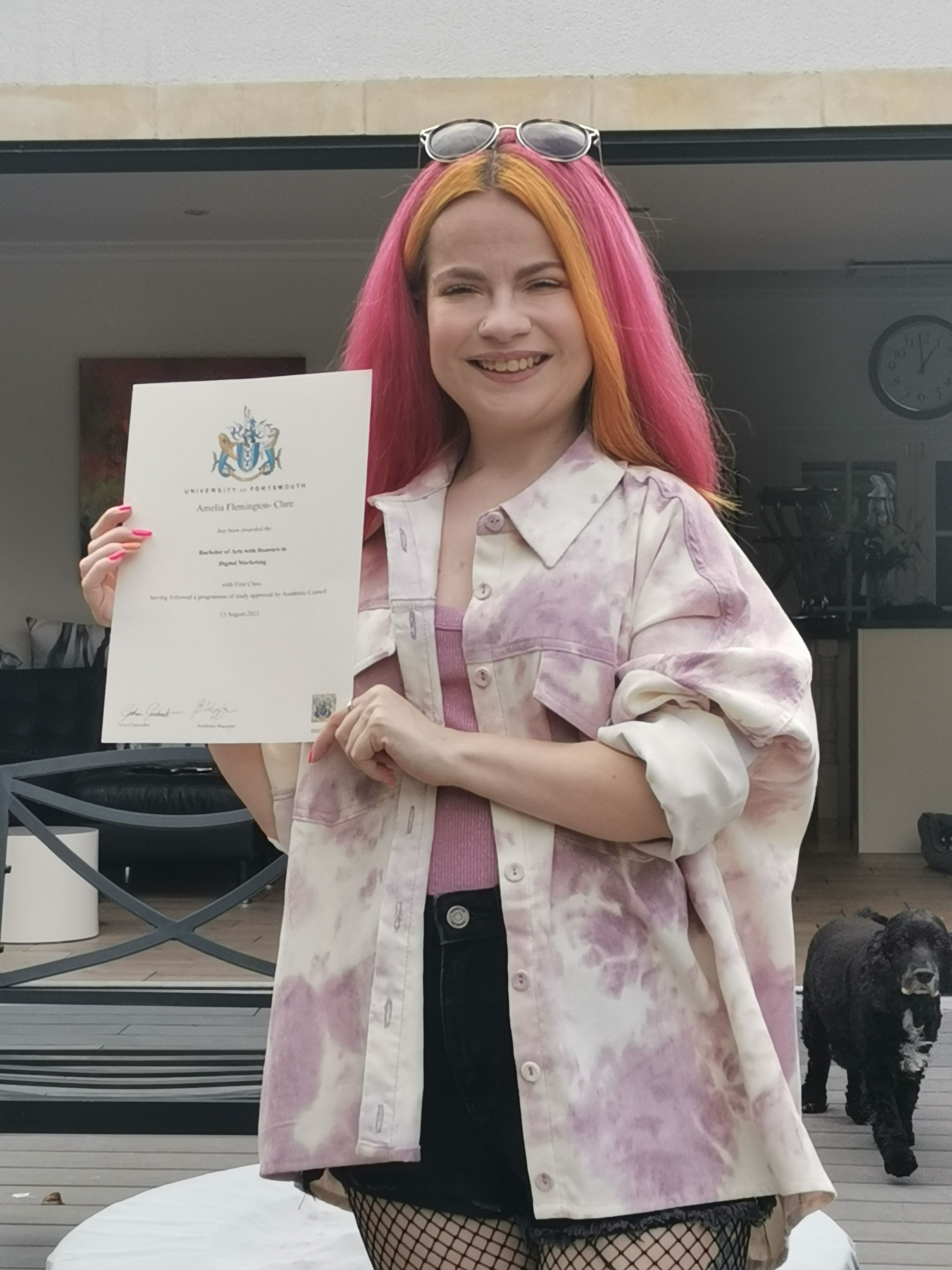
Millie’s route into business was shaped both by instinct and opportunity. Long before Human Beauty existed, she knew she wanted to build something of her own. Watching Dragons’ Den as a child, she felt an early pull towards entrepreneurship, even without knowing exactly what form it would take. The ambition was always there. The clarity followed in time.
She went on to study digital marketing at university, a foundation that gave her the commercial understanding to support her creative instinct. The real turning point came during her placement year at Beauty Pie, where she stepped into product development and saw the industry from the inside. It was there she began to understand how beauty products are really built, not just through formulation, but through branding, packaging and user experience, shaping how she would later approach Human Beauty.
That experience offered more than just insight. It gave her a clearer understanding of where the industry was falling short and where she could make a difference. At the same time, she sought out advice from other founders, learning through conversation as much as experience. By graduation, she had the confidence and clarity to begin building Human Beauty.
Building with purpose in an industry that still looks away
Starting a beauty brand is difficult. Starting one that challenges the beauty industry’s assumptions is harder.
Millie is clear-eyed about that reality. Human Beauty has been built in a space that often talks about inclusion more than it truly practises it. In her experience, some of the hardest moments have come from walking into rooms full of people who claim to care about accessibility, only to realise that disabled voices are still being sidelined. She describes the feeling as “knocking on doors and having the door slammed in your face.”
There is a particular kind of exhaustion that comes from trying to build something values-led inside a system that still treats those values as optional. Millie has had to navigate that while also carrying the very real pressures of being a solo founder.
One of the sharpest learning curves came after her Dragons’ Den era. Sudden exposure brought an influx of customers, customer service demands and faulty product issues that she had never had to manage at that scale before. At the same time, she was processing disappointment and a lack of support.
One of her biggest reflections is simple. She wishes she had not rushed. Early on, there was a constant pressure to move quickly, driven by the fear that the industry would move on without her. Looking back, that urgency feels misplaced. Her advice to her earlier self is clear: slow down, take your time, and don’t let panic shape your decisions.
Designing with the community, not just for it
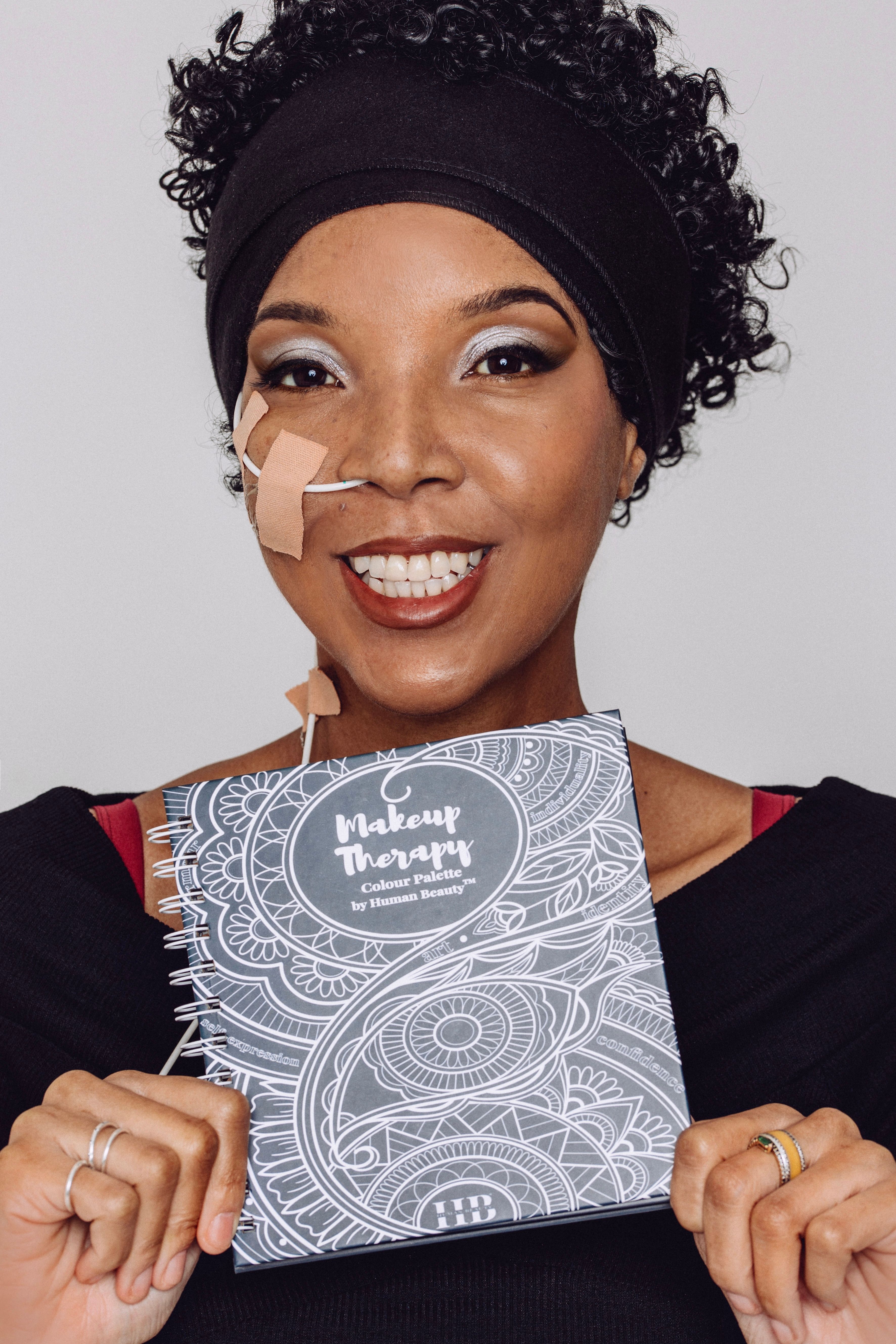
What makes Human Beauty distinctive is not simply that accessibility is part of the brand story. It is that accessibility shapes how decisions get made.
Millie’s approach is rooted in listening. She involves her community at every stage, through polls, focus groups, samples and an ongoing feedback loop. She knows there is no universal version of accessible design, so rather than pretending to have solved everything, she takes a more honest route. She is transparent about what each product offers, open about what still needs improving, and realistic about the fact that accessibility is always an evolving practice.
“Accessibility isn’t a one-size-fits-all,” she says.
And that principle runs through the business.
That mindset also shapes the practical details. Human Beauty focuses on what Millie calls incremental innovation: small, thoughtful changes that make a meaningful difference without pushing products out of financial reach. Anti-roll packaging is one example. Sensory elements are another. She is making improvements that work now, and can reach more people now.
This is where Millie’s values come through most clearly. She is not interested in accessibility that looks impressive in a campaign and fails in real life. She also points out the economic reality that many disabled consumers already face, with living costs significantly higher each month. In that context, accessibility that comes with an enormous price tag is not true accessibility at all. Her criticism of expensive adaptive beauty tools is not just about product design, it is about ethics. Access that excludes people on price is still exclusion. That is why Human Beauty prioritises realistic, usable and affordable choices over flashy gestures.
The joy of being seen, and helping others feel seen too
For all the challenges that come with building the business, the most rewarding part is easy for Millie to name. It comes down to the moments when customers tell her they feel seen and understood because Human Beauty exists.
There is something powerful about a founder whose mission returns to people, again and again. Millie does not talk first about sales milestones or industry recognition, she talks about moments when customers tell her Human Beauty has made them feel seen and heard.
That is the reward of a purpose-led business when it is built carefully. The outcome is not only a product, but it is also recognition and relief. It is the feeling a customer gets when they realise they were considered from the beginning rather than added in later.
Speaking honestly about what still needs to change
Millie’s view of the beauty industry is informed by both participation and critique. She has worked inside it, and she understands the mechanics, but she also sees how often brands still get accessibility wrong.
In her view, one of the biggest failures is that brands do not properly ask disabled people what they need. Too often, inclusion becomes a tick-box exercise. A disabled model may appear in a campaign while the shoot itself remains inaccessible. Teams may discuss adaptive design without having any disabled people involved in the process. It is this gap between appearance and action that Millie finds most frustrating.
“It’s very clear when brands have made decisions without disabled people at the table,” she says.
Her point goes beyond beauty. It speaks to a broader truth about representation. People cannot be designed for well when they are excluded from the decisions that shape the experience. Millie also highlights the importance of intersectionality, noting that disability intersects with race, gender and sexuality. Any attempt at inclusion that ignores that complexity will always fall short. She has seen small signs of progress, including work happening through the British Beauty Council and related partnerships, but she is measured in her optimism. The steps are welcome, but they are not yet enough.
Women in business, and the cost of being underestimated
When Millie speaks about the wider barriers facing women founders, one issue comes up immediately: funding.
She believes access to funding remains one of the biggest things holding women back from starting businesses, especially purpose-led ones. Truly achievable opportunities often feel scarce, narrow or difficult to access. Add disability into that picture, and the gap grows wider. Millie points to the stark imbalance in investment for women entrepreneurs and to the even steeper odds disabled female founders face.
What is especially striking is the honesty with which she talks about trust. For some women, the problem is not only raising money, but also what can be lost in the process. Millie has seen examples of young female entrepreneurs giving away too much control under pressure, ending up without majority ownership of the businesses they created. To build something meaningful and then risk losing it to someone who sees only commercial opportunity is, for her, more frightening than going without investment. It is a reminder that the barriers women face are not only about getting through the door, sometimes they are about what happens once you are inside.
Leading with passion, even on the hard days
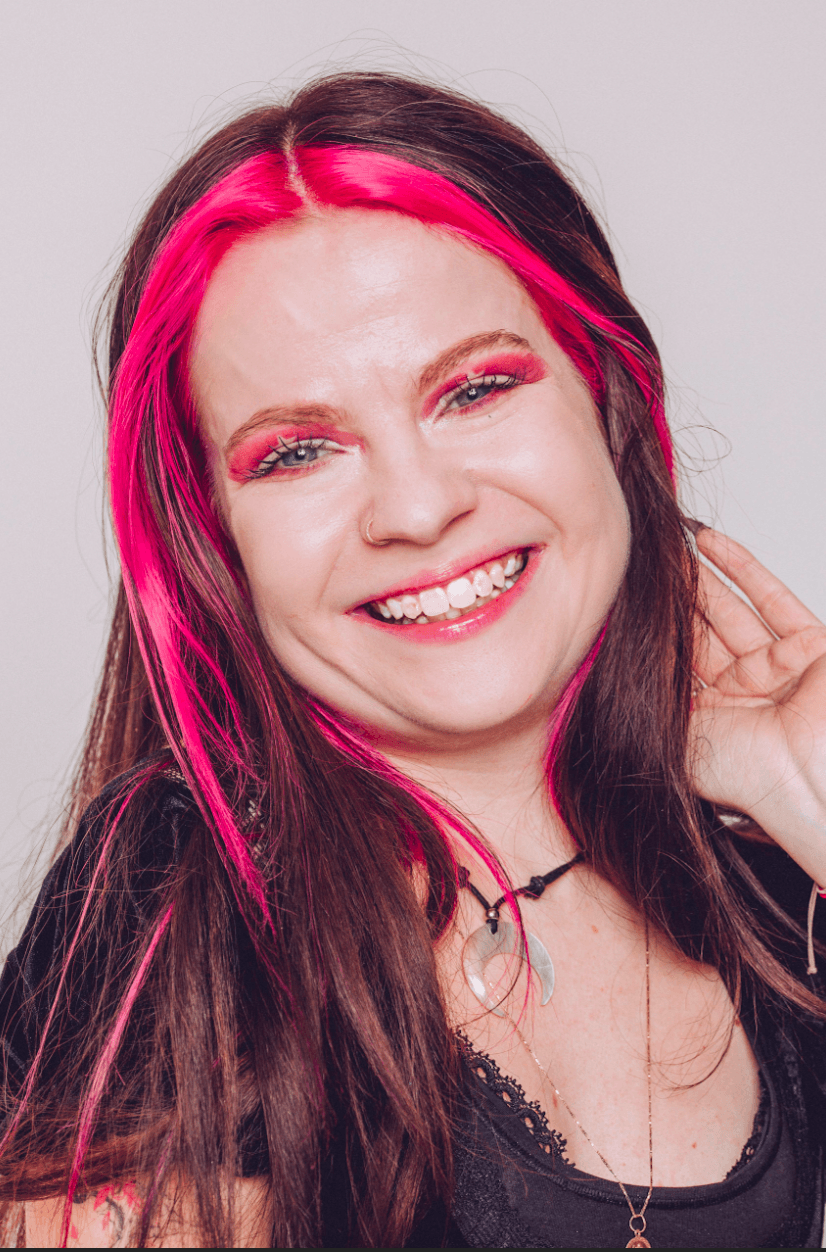
Asked what advice she would give other women thinking about starting a business, Millie comes back to passion. Start with something you care deeply about, she says, and let that conviction carry you through the harder parts. Purpose-led businesses demand energy, resilience and a willingness to keep going when progress feels slow.
In her own words,
“You have to have a lot of fight in you.”
That advice feels credible because it is clearly lived. Millie does not romanticise entrepreneurship. She talks about burnout, near-give-up moments and the emotional swing between major highs and difficult lows.
When asked to sum up her founder journey in one word, she chooses “roller coaster”. There have been extraordinary achievements, she says, things that many people will never experience in a lifetime. There have also been moments so low she nearly walked away. Like many founders, she admits she rarely stops long enough to recognise what she has already done. The next milestone is always waiting, and the next problem always needs solving.
“Founders, we never stop to look at our achievements,” she says.
That is part of what makes her story so compelling. It is not polished into something unreal. It still has edges. It still sounds like a person in the middle of building, learning and pushing forward.
Human Beauty is not simply a response to what the beauty industry has failed to do. It is a model for what becomes possible when lived experience is treated as expertise, when community is invited in from the start, and when inclusion is measured by usefulness rather than applause. Millie Flemington-Clare is building with honesty, with care and with a level of intention that many larger brands still struggle to match. Her journey may feel like a roller coaster, but its direction is clear.
To follow Millie’s journey or experience Human Beauty first-hand, you can find her on Instagram and explore the range on her website.
Inspired by Millie’s journey?
Whether you’re ready to start your business or just exploring your options, Companies MadeSimple is here to support your next step.
